


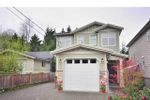
We have listed a new property at 3000 HOSKINS RD in North Vancouver.
This super spacious custom-built Cape Cod style home sitting prominently at the corner of Ross & Hoskins offers the perfect amount of space for your family! Built in 1993, the home offers a generous 3796 sq.ft. Step through a grand entrance with soaring ceilings into the main living area w/ large oak kitchen, eating area & walk-in pantry, formal living & dining rooms plus family room. There are 3 bdrms & 2 full baths up, including a master ensuite, plus a very large playroom/office/bonus room. Downstairs is fully finished & offers flexible space w/ rec room, storage, workshop, laundry -plus rough in for a bath & kitchen. An easy change to secondary accommodation! Large picture windows throughout make for a very bright happy space. Steps to Ross Rd French Immersion Elementary !











 The data relating to real estate on this website comes in part from the MLS® Reciprocity program of either the Greater Vancouver REALTORS® (GVR), the Fraser Valley Real Estate Board (FVREB) or the Chilliwack and District Real Estate Board (CADREB). Real estate listings held by participating real estate firms are marked with the MLS® logo and detailed information about the listing includes the name of the listing agent. This representation is based in whole or part on data generated by either the GVR, the FVREB or the CADREB which assumes no responsibility for its accuracy. The materials contained on this page may not be reproduced without the express written consent of either the GVR, the FVREB or the CADREB.